
Therapeutic Modalities and Approach
-
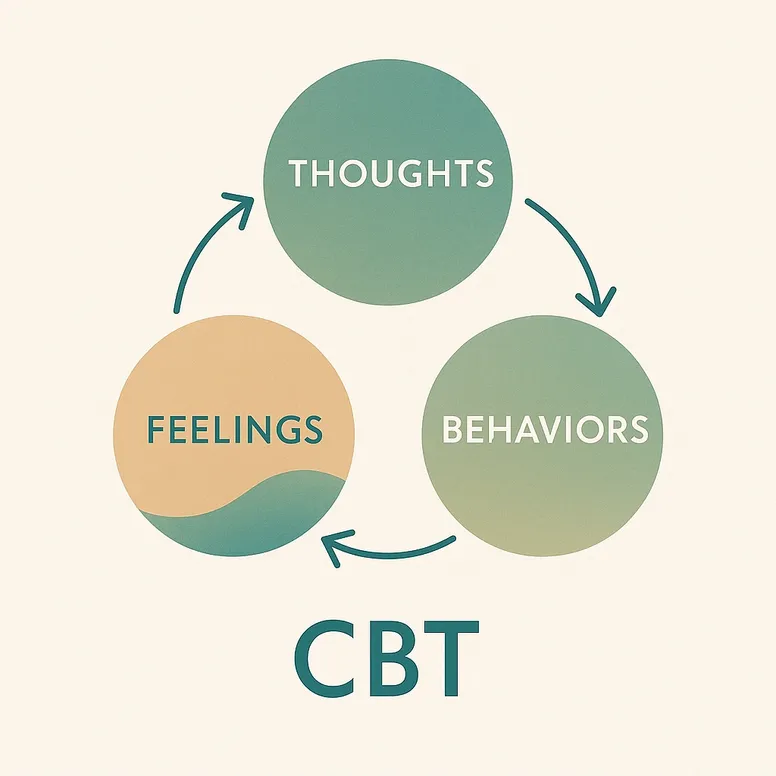
I recognize that we cannot automatically change our feelings. Instead, CBT helps you explore how your thoughts and behaviors contribute to the emotions you experience.
➤ CBT involves identifying negative or distorted thoughts, challenging unhelpful beliefs, and practicing small, intentional shifts in behavior and thinking.
-
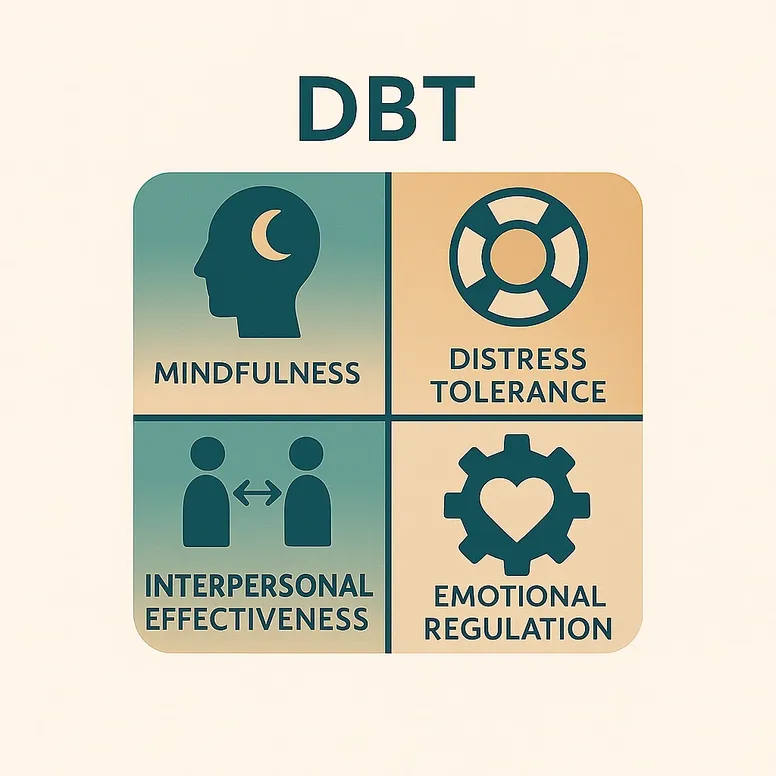
Sometimes, what we need most are practical skills we can reach for in difficult moments, these are our DBT skills. DBT skills empower you to face challenges with greater stability, clarity, and confidence.
➤ DBT involves learning and practicing specific skills for mindfulness, emotional regulation, distress tolerance, and interpersonal effectiveness.
-
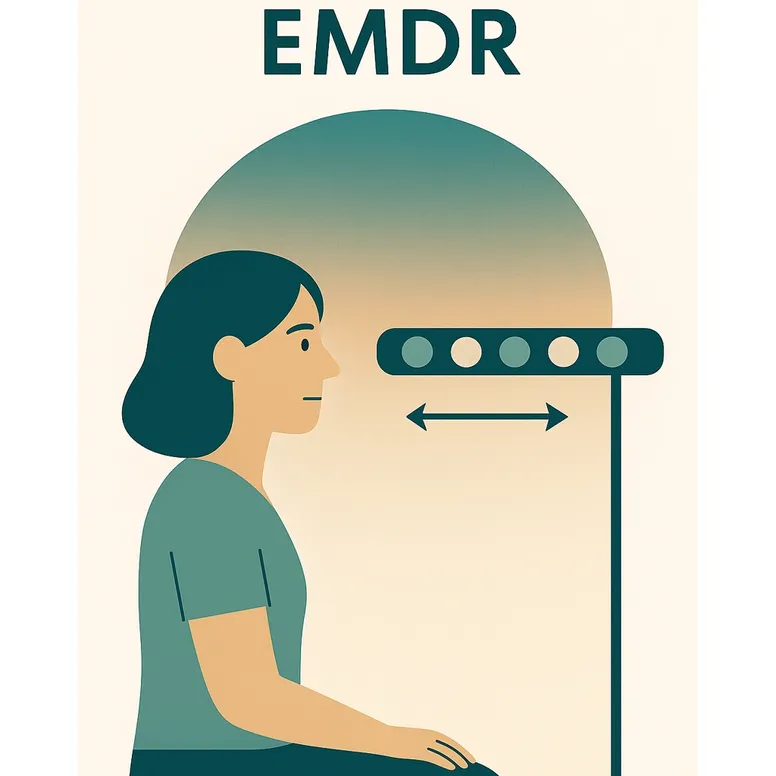
EMDR is a powerful, evidence-based approach that helps the brain reprocess distressing or traumatic memories in a safe, guided way. By reducing the emotional intensity of these memories, EMDR supports deep healing and allows you to move forward without feeling stuck in your past experiences.
➤EMDR involves bilateral stimulation (such as guided eye movements or tapping) to help the brain reprocess traumatic memories at a safe pace, creating new, healthier associations.
-
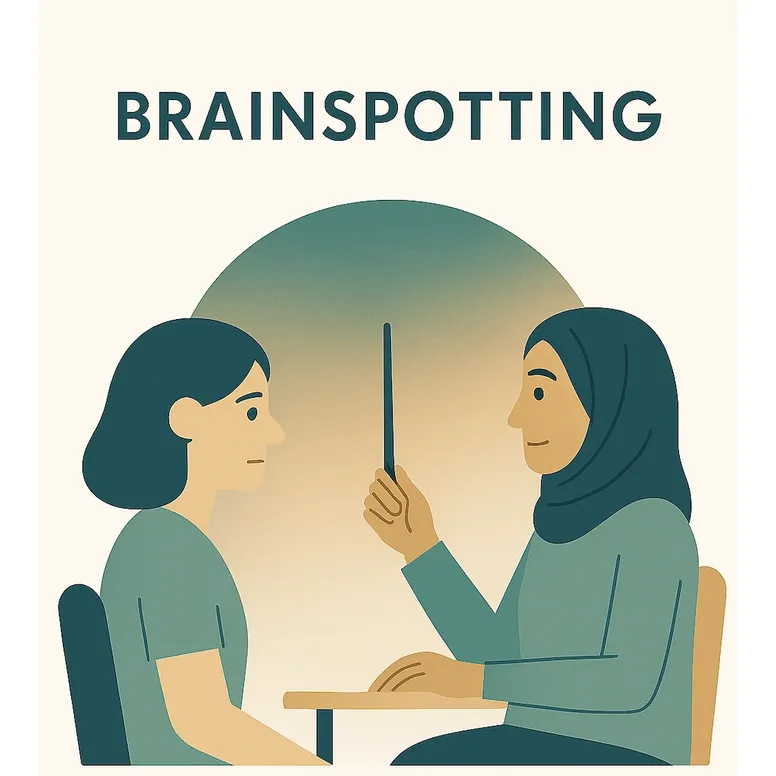
Brainspotting allows you to access and release trauma stored deep in the body and nervous system, reducing emotional distress and physical tension. It supports healing in areas where talk therapy alone may not reach.
➤ Brainspotting involves locating specific eye positions—or “spots”—that connect to unprocessed trauma, allowing deeper emotional and somatic processing to occur.
-
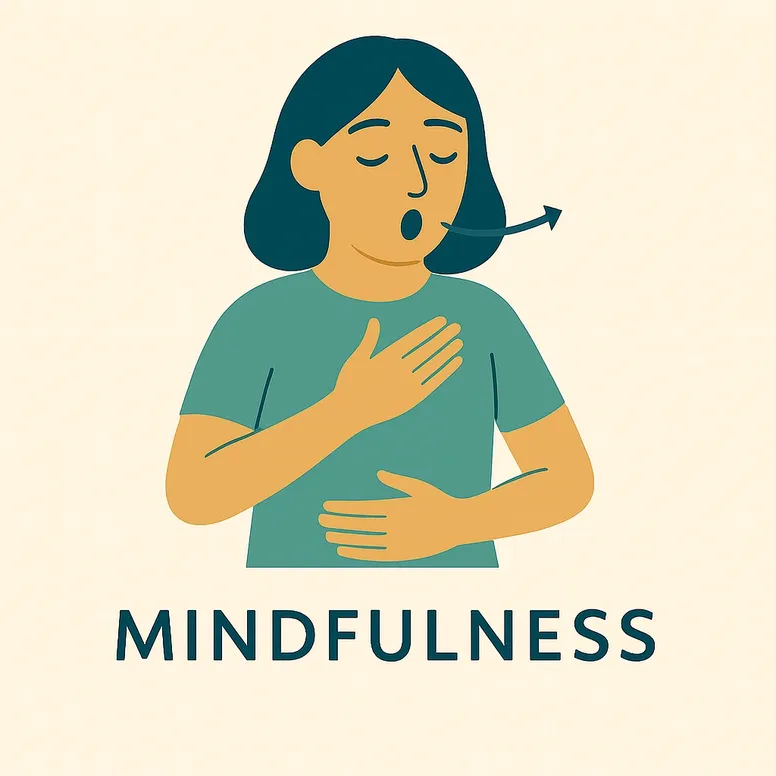
Mindfulness helps you slow down, reduce anxiety, regulate emotions, and develop greater self-compassion. It builds resilience and allows you to respond to challenges with clarity instead of reactivity.
➤ Mindfulness involves practicing grounding strategies, breath awareness, and non-judgmental attention to the present moment, both in and outside of sessions.
-
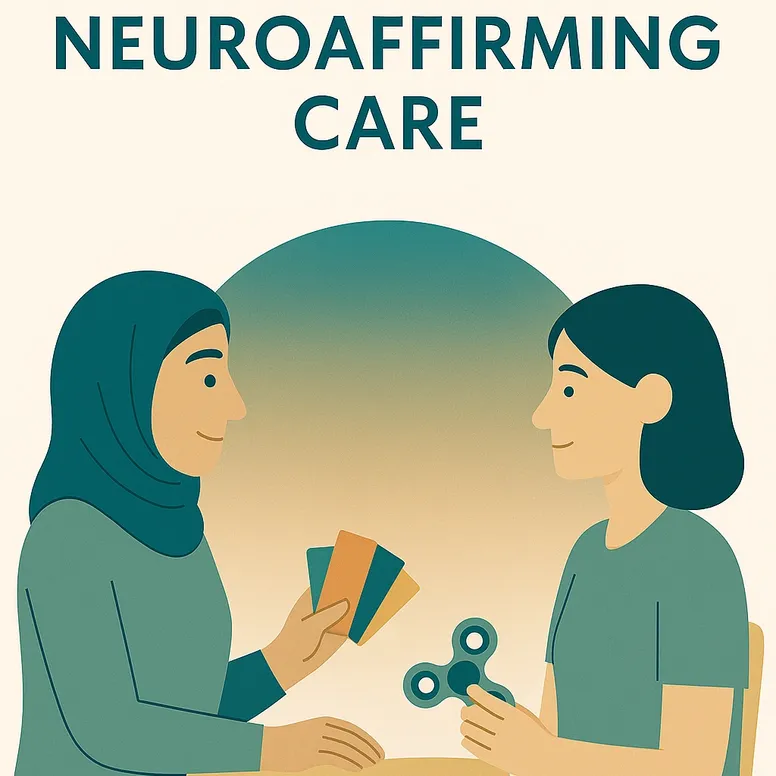
My approach to ADHD treatment is neuroaffirming, which means I do not see ADHD as a flaw to be fixed but as a different way of experiencing and processing the world. Neuroaffirming care helps you embrace your unique ways of thinking, reduce shame, and build strategies that work for your brain. It fosters self-acceptance and authentic living.
➤ Neuroaffirming care involves supporting neurodiversity by focusing on strengths, identity, and individualized strategies for thriving
-
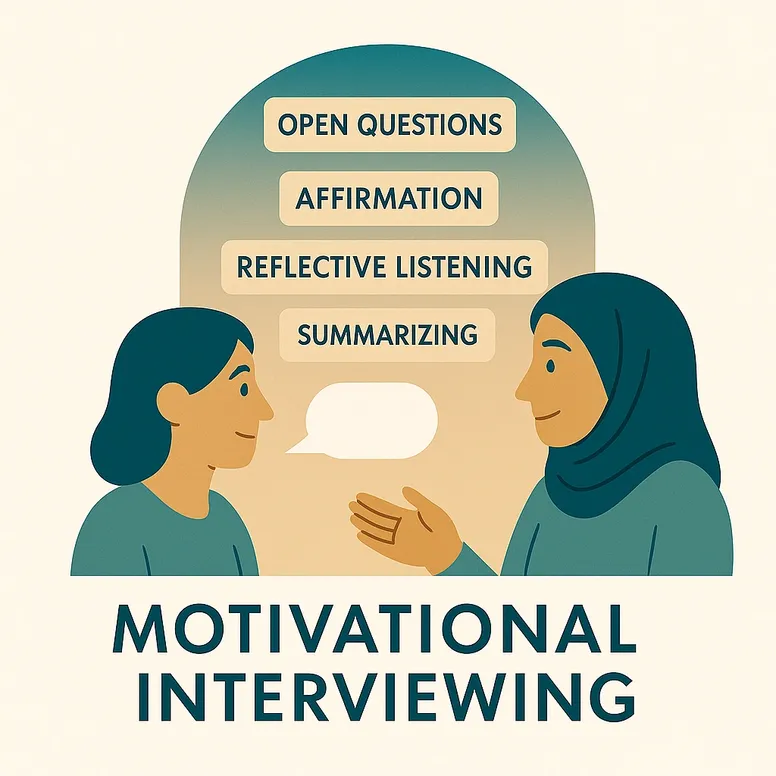
Change is not always straightforward, and sometimes it can feel uncomfortable or even unwanted. In my practice, I see resistance not as a flaw but as valuable information about where you are in your journey. Motivational Interviewing allows us to approach resistance with respect and curiosity, not judgment.
➤ MI involves collaborative conversations where we focus on your strengths, values, and readiness for change, empowering you to move forward at your own pace.
-
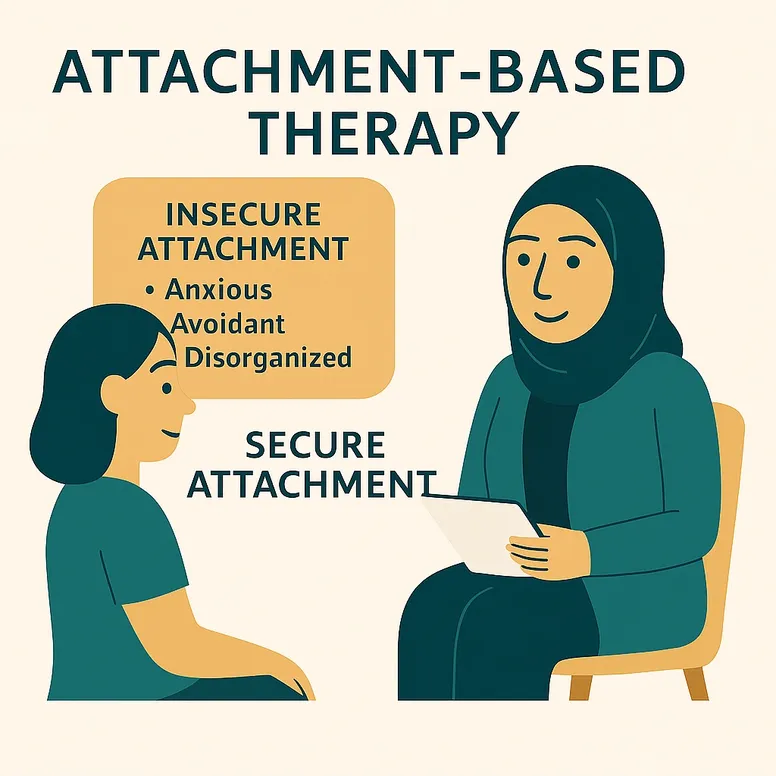
The attachment-related patterns we develop in childhood—whether secure or insecure—often continue into adulthood, influencing how we trust, connect, and respond in relationships. In therapy, I use an attachment-informed lens to help you understand your attachment style and how it may be impacting your current relationships and sense of self.
➤ Attachment-based therapy involves exploring how early relationships shape current patterns or beliefs (maladaptive schemas) and creating new relational experiences that support connection, trust, and healing.
-
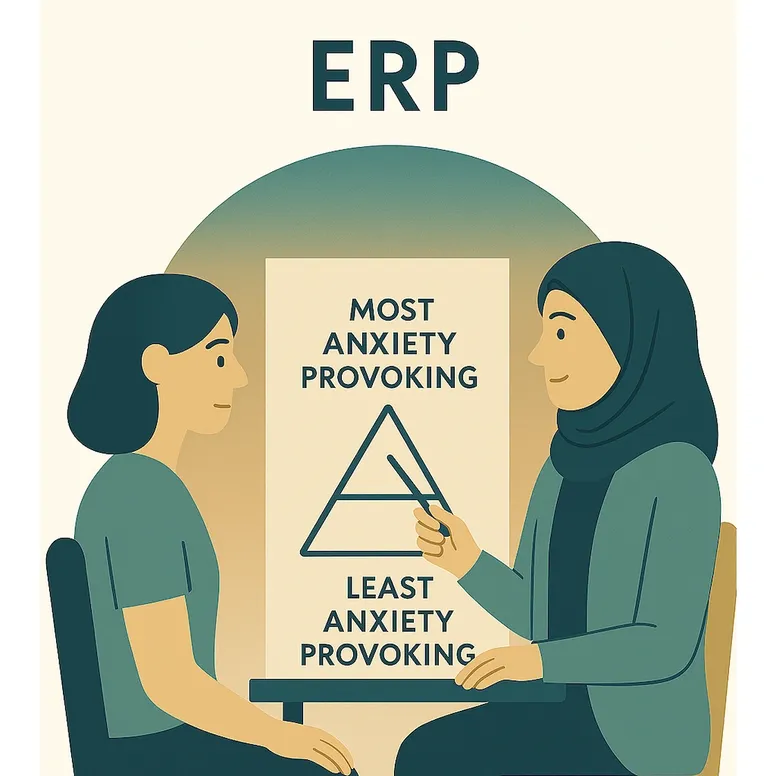
Exposure and Response Prevention (ERP) is a highly effective therapy for treating OCD and anxiety. ERP teaches your brain that you can tolerate uncertainty and distress without relying on old patterns.
➤ ERP involves gradually and safely exposing you to feared situations or thoughts, while practicing new ways of responding that break the cycle of avoidance and compulsions.

Treatment Focus Areas
Trauma and Loss
-
Trauma - whether from a single event or the ongoing impact of complex trauma - can disrupt a person’s sense of safety, trust, and empowerment. In therapy, the focus is on helping you feel safe, connected, and restored. I am trained in EMDR and Brainspotting, evidence-based approaches that help the brain and body process and release the impact of trauma. I believe in healing not just interpersonal trauma but community trauma and intergenerational trauma. No matter the method we use, I integrate trauma-informed care into all of my work — recognizing how past experiences shape present struggles, and tailoring your sessions to honor your pace, your needs, and your resilience.
-
When depression or grief takes hold, it can leave you feeling disconnected, heavy, and alone. Therapy provides a space to process sadness, loss, and the unique challenges that come with experiences like disenfranchised grief - grief that may not be openly acknowledged or supported. This can include the complex emotions immigrants face when coping with global events, separation from loved ones, or the loss of a homeland. Using Cognitive Behavioral Therapy (CBT), we work together to recognize unhelpful thought patterns, build practical coping strategies, and move toward relief, meaning, and renewed hope.

-
Many clients come to therapy struggling with anxiety — constant worry, racing thoughts, physical tension, and difficulty being present in their everyday lives. Together, we explore the roots of your anxiety and build tools to manage Using a trauma-informed and holistic approach, I help you understand how your thoughts, emotions, and nervous system interact — so you can respond to stress with greater calm, clarity, and confidence. My goal is to help you feel more grounded, regain a sense of control, and create space for refuge in your life.
-
Living with ADHD can bring challenges with attention, focus, organization, impulsivity, time management, and emotional regulation. Using a neuroaffirming and strengths-based approach, I focus on understanding how your ADHD shapes your experiences while challenging narratives that contribute to shame. Together, we develop practical strategies and coping tools that fit your life, while also recognizing and building on the creativity, energy, and perspective that ADHD can bring.
-
I provide support for clients navigating bipolar disorder, helping you understand and manage the shifts in mood, energy, and motivation that can impact daily life. I offer psychoeducation about bipolar disorder and can support you in navigating medication challenges, helping you communicate effectively with prescribers and understand how treatments fit into your overall wellness plan. Together, we create a safe, nonjudgmental space where your experiences are validated and your path to balance, resilience, and self-understanding is supported.
-
Obsessive thoughts may feel intrusive and distressing, while compulsive rituals often provide only short-term relief but end up reinforcing the cycle. I support clients with OCD by using Exposure and Response Prevention (ERP) therapy, the gold-standard treatment for OCD. ERP is a structured, compassionate approach that helps clients face their fears gradually and intentionally, while learning to resist the urge to engage in compulsions. Over time, this process reduces the power of obsessive thoughts and builds tolerance for uncertainty and discomfort.
Emotional and Behavioral Health

-
Stress and major life changes can surface in many forms — from work and relationships to personal growth and identity. Therapy offers a space to not only build practical coping strategies, but also to explore deeper areas such as spirituality, self-esteem, relationship dynamics, and racial or cultural identity. My approach is trauma-informed, strengths-based, and culturally sensitive, with the goal of creating a safe and supportive environment where you can process your experiences, understand your emotions, and feel more in control.
-
Experiences of racism, micro-aggressions, cultural displacement, or identity conflict can deeply affect emotional well-being and diminish one's sense of belonging. For many immigrants in particular, these challenges may also involve grieving the loss of a homeland, navigating acculturation stress, or feeling caught between cultural expectations at home and in the broader community. In therapy, I honor these realities while creating a safe and affirming space to process pain, strengthen self-worth and self-compassion, and reconnect with yourself and others in ways that align with your values. My approach integrates evidence-based treatments such as Cognitive Behavioral Therapy (CBT) to challenge internalized negative beliefs, Acceptance and Commitment Therapy (ACT) to build resilience and live in alignment with your values, and trauma-informed practices that address the impact of racial trauma on both mind and body.
-
Exploring and embracing your identity can be both empowering and challenging, especially when faced with stigma, rejection, or misunderstanding. Therapy with me offers a supportive and affirming space where all identities and expressions are respected and valued. Whether you are navigating questions around sexuality or gender, coping with racial or cultural stress, or seeking support in relationships and community, our work together is centered on your lived experience. My approach is fully LGBTQIA+ affirming — honoring the strengths you carry, validating the challenges you face and supporting you in building resilience and self-acceptance.